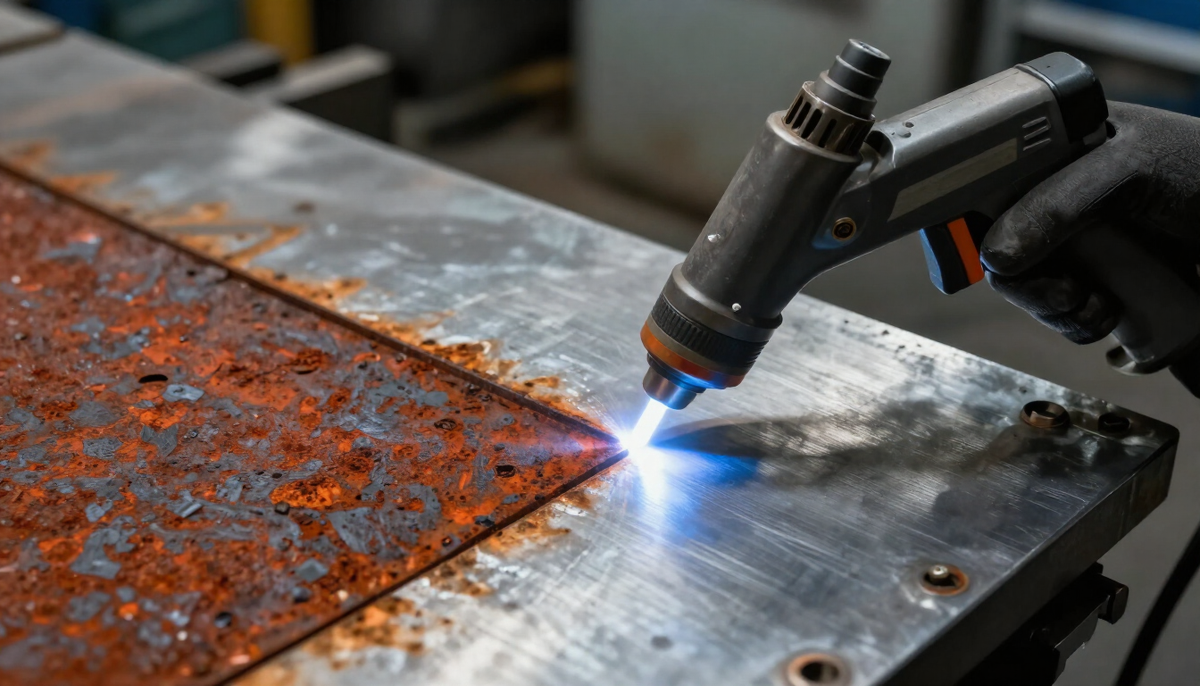
Mobile Laser Cleaning in Charlotte, NC
Laser Cleaning & Surface Restoration in Charlotte, NC
Mobile rust removal, paint stripping, and precision surface cleaning for Charlotte homes, businesses, and industrial facilities. We bring the laser to you.
- Precision Cleaning
- No Blasting Media
- Mobile Service
- Charlotte-Based
Request a Free Quote
Share the material, size and location. Photos help, and you can add them on the full form.
Laser ablation, explained
A Smarter Approach to Surface Cleaning.
Laser ablation uses short, controlled pulses of laser light. The rust, paint or residue on a surface absorbs that energy and is vaporized or lifted away, while the material underneath is, with the right settings, largely left in place. Nothing abrasive touches the part.
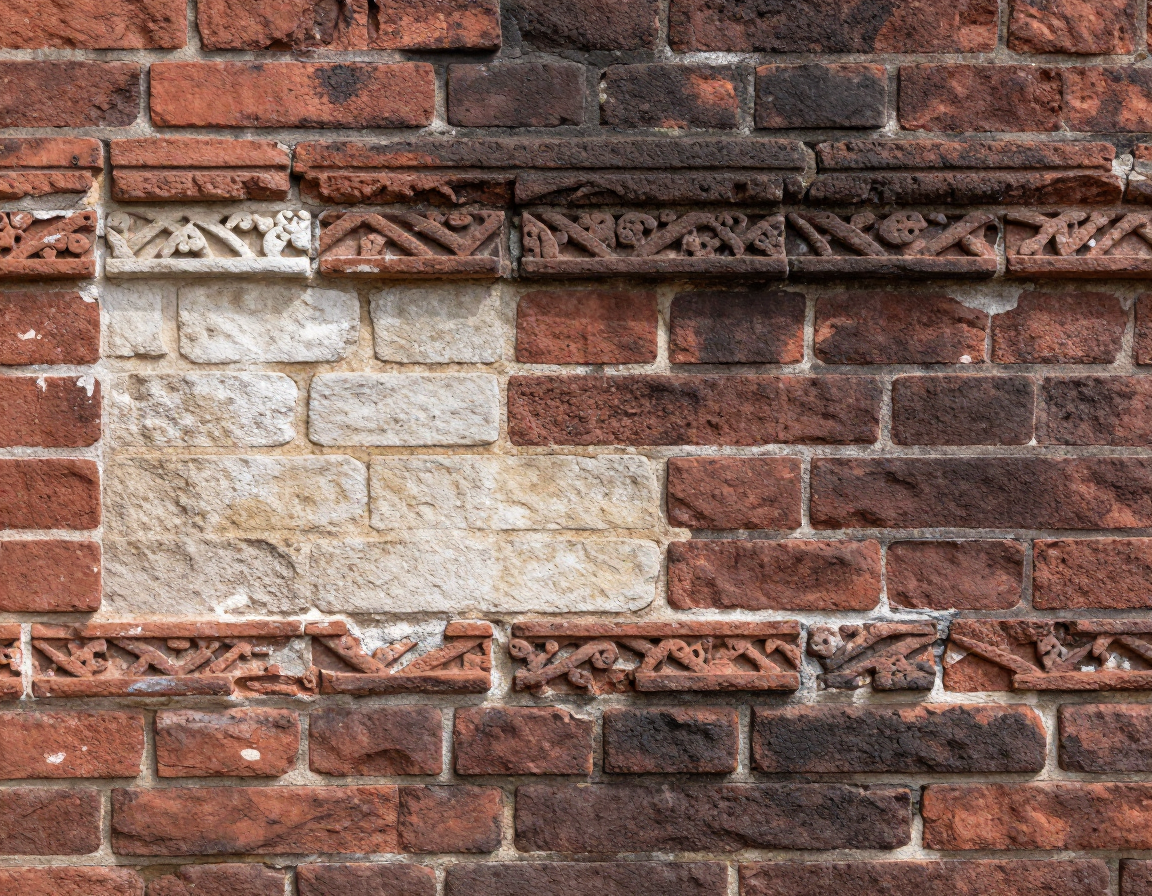
It is a good match for corrosion, coatings, oxide layers and residues on metal, and for some masonry, where detail matters or where blast media would be a problem to contain. Controlled cleaning is valuable because you remove only what you intend to remove, and you can inspect the surface as the work progresses.
It is not the answer to every job. Large surfaces and heavy coatings are often better handled another way, and results always depend on the material, the contaminant and testing. Read the laser cleaning FAQ for the details.
Who we serve
Laser cleaning for every kind of Charlotte project
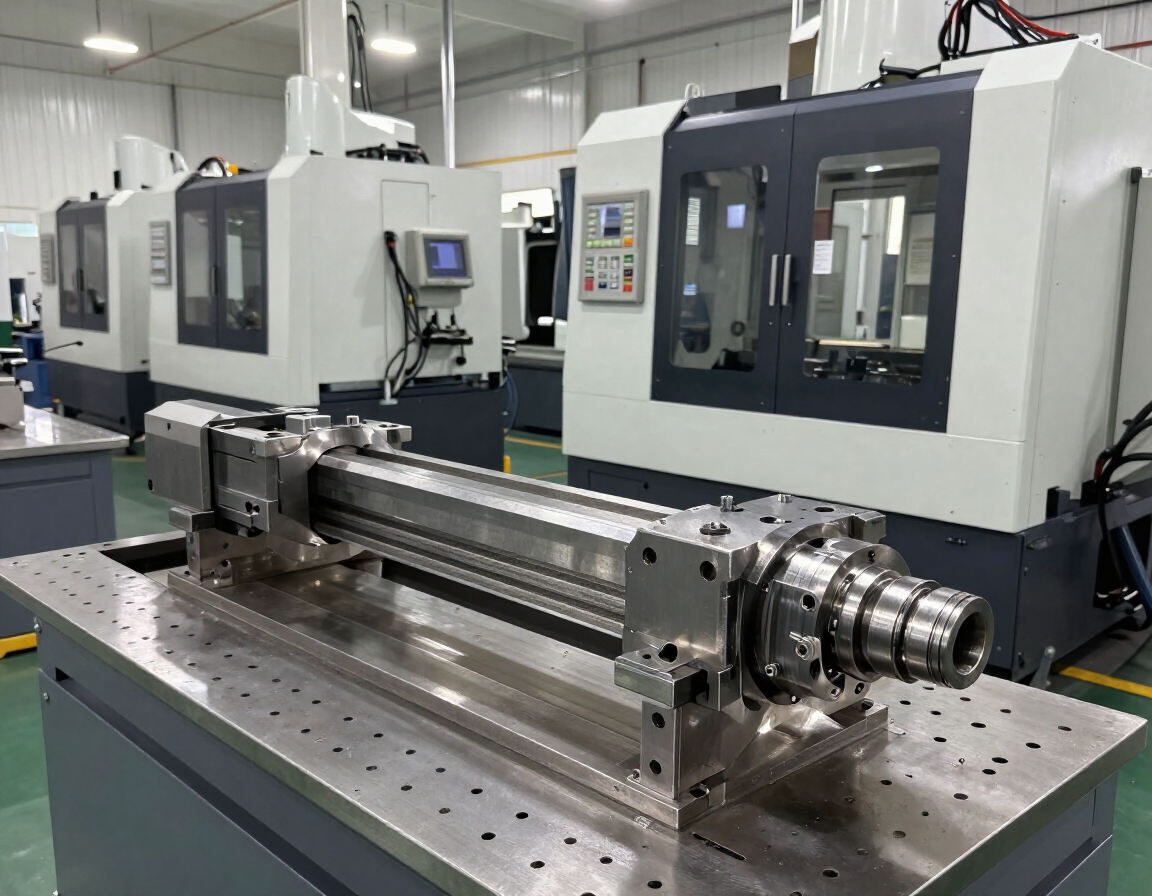
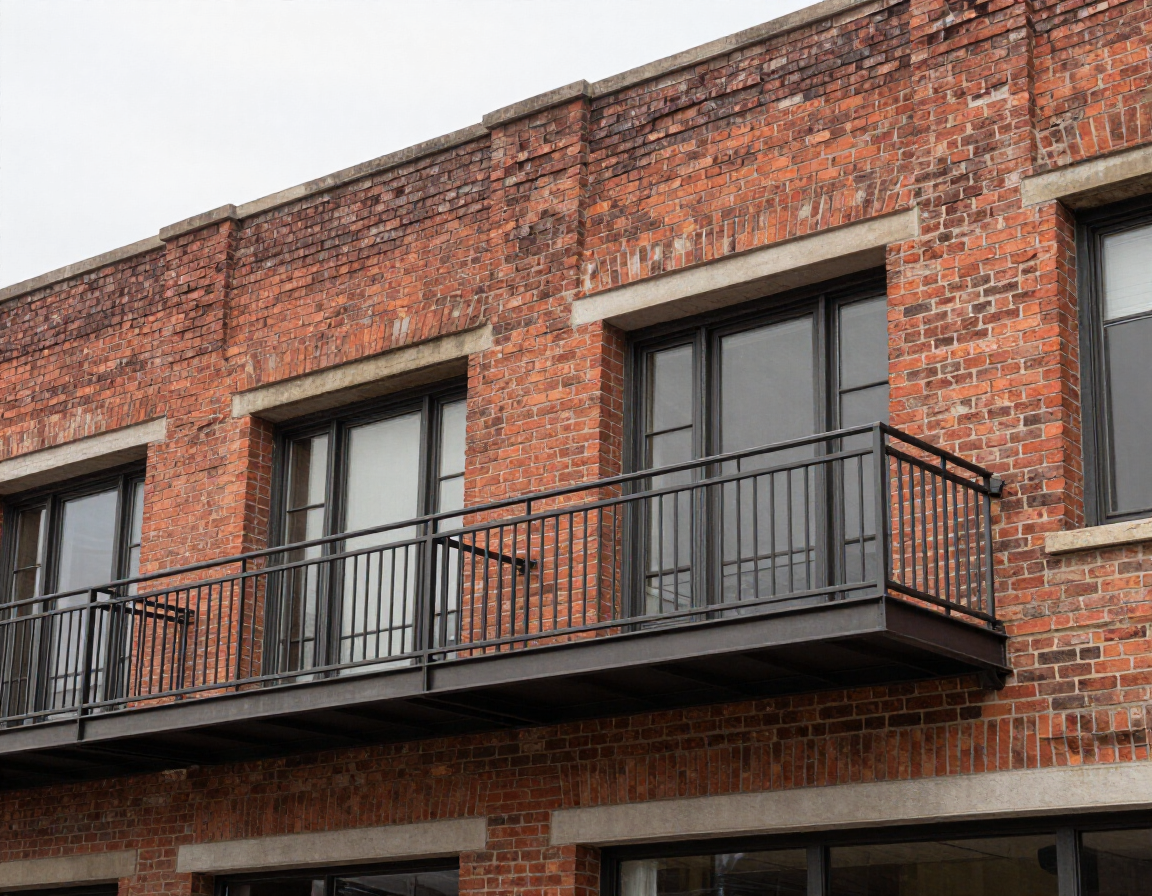
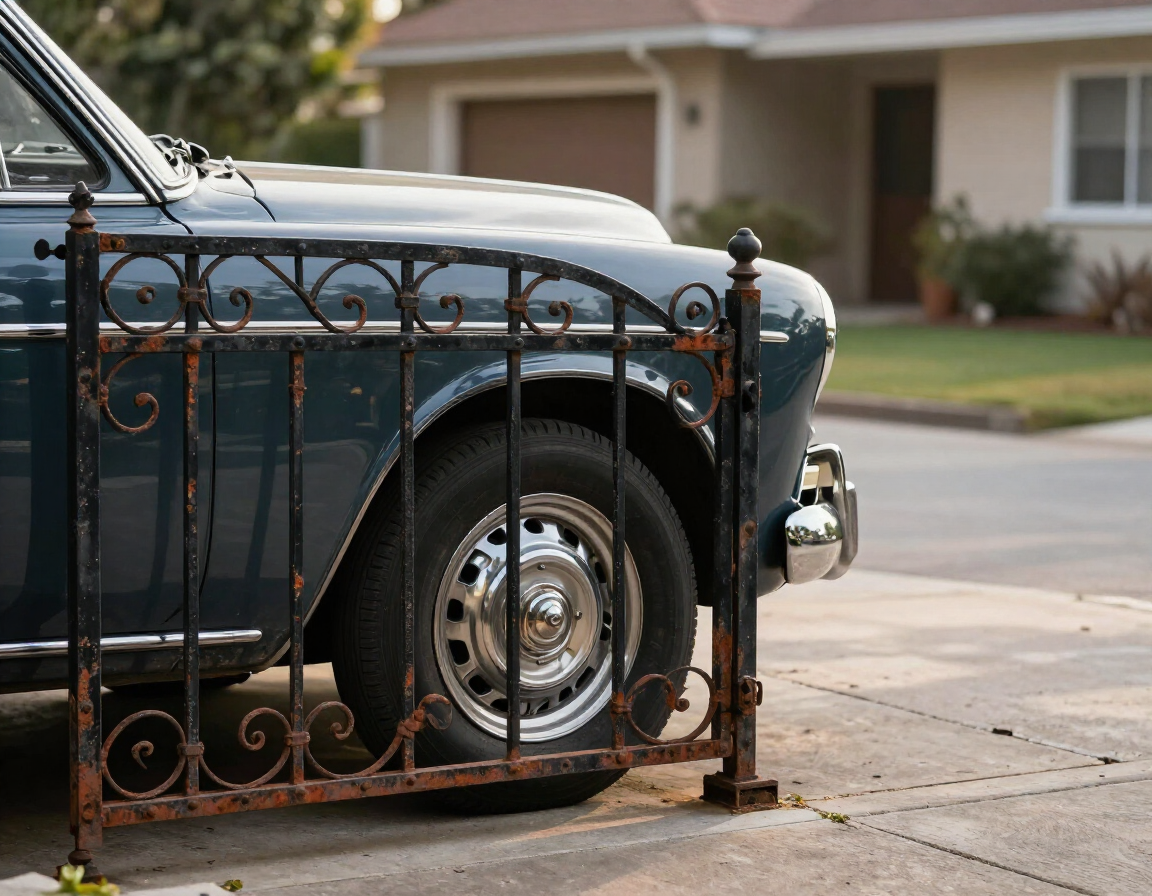
Services
Ten laser cleaning services in Charlotte
- 01
Rust & Corrosion Removal
Lift oxidized metal from steel and iron without blasting media.
View - 02
Paint & Coating Removal
Strip paint and coatings from metal with local control.
View - 03
Industrial Equipment Cleaning
Selective cleaning for machinery, components and production parts.
View - 04
Mold & Tool Cleaning
Residue removal on suitable molds, dies and tooling.
View - 05
Weld Cleaning
Pre-weld contaminant removal and post-weld oxide cleaning.
View - 06
Metal Surface Preparation
Clean metal before painting, coating, bonding or inspection.
View - 07
Automotive Restoration
Rust and coating removal for frames, brackets and vehicle parts.
View - 08
Graffiti Removal
Evaluated removal from masonry, architectural metal and signs.
View - 09
Masonry Cleaning
Careful cleaning of brick, stone and architectural detail.
View - 10
Fire & Smoke Residue Cleaning
Soot cleaning on compatible metal and masonry surfaces.
View
Why laser
Precision Without Abrasive Blasting.
Laser cleaning is not damage-free or dust-free, and it is not always faster. Within its limits, it offers control that other methods struggle to match.
Noncontact Process
The beam does the work, so there is no brush, wheel or grit pressing on the surface. Heat is still involved, which is why testing matters on delicate parts.
Controlled Removal
Settings and passes are adjusted to the contaminant and the substrate, so cleaning can be limited to a specific area.
No Abrasive Media
There is no blast media to supply, embed in the surface or sweep up. Fumes and particulates still need extraction.
Reduced Secondary Waste
In suitable jobs there is less spent media and chemical rinse to dispose of. Removed material is still waste and must be handled properly.
Intricate Detail Cleaning
Threads, scrollwork, vents and carvings can be cleaned where blasting would round edges or miss recesses.
Broad Applications
Rust, coatings, oxides and many residues on metal and some masonry. Not every material or contaminant is suitable.
Industries
Where laser cleaning fits in Charlotte
These are the kinds of work the process is commonly considered for. Each link explains what to ask about.
Method comparison
How laser cleaning compares
Every method has a place. Blasting is often faster on large surfaces and can create a specified anchor profile. Choose by the job.
| Factor | Laser cleaning | Abrasive blasting | Chemical stripping | Grinding / wire wheel |
|---|---|---|---|---|
| Precision on small areas | High; easy to target selectively | Moderate; overspray is hard to contain | Moderate; depends on masking | Moderate; operator-dependent |
| Adds media to the job | No | Yes; grit or other media | Yes; chemicals and rinse | No, but wheels and discs wear away |
| Secondary waste | Removed contaminant only, with fume extraction | Spent media plus removed material | Chemical sludge and rinse water | Dust and spent abrasives |
| Complex shapes and detail | Often well suited | Can round edges and miss recesses | Reaches recesses but can be messy | Limited by tool shape |
| Large-area productivity | Often slower on big surfaces | Often faster on large surfaces and can create a specified anchor profile | Slow dwell times but low labor | Slow on large surfaces |
General comparison only. Real results depend on the material, contaminant and specification.
Process
From first photo to finished surface
- Step 1
Submit project details
Tell us the material, size, what needs to come off and where the work is. Photos help.
- Step 2
Evaluate material and contamination
We review the substrate, the contaminant and any coating history to judge whether laser cleaning fits.
- Step 3
Confirm scope and test area where needed
For sensitive or uncertain surfaces we agree on a small test area before the full scope is set.
- Step 4
Perform cleaning with safety controls
Work is done with laser safety measures and fume and particulate controls suited to the site.
Service area
Based in Charlotte, Serving the Metro Area.
Vulcan is based in Charlotte, NC. Because the equipment is mobile, the same process serves a plant floor, a commercial property or a home driveway anywhere in the city, and we also work in nearby towns such as Matthews, Concord, Huntersville, Gastonia, Fort Mill and Rock Hill. Qualifying commercial and industrial projects across North and South Carolina may also be considered.
Have a Surface That Needs Restoring?
Tell us the material, size and location, and add photos if you have them. We will review whether laser cleaning is a practical fit.